
South Facing House Vastu: Benefits, Myths and Essential Tips for Homebuyers
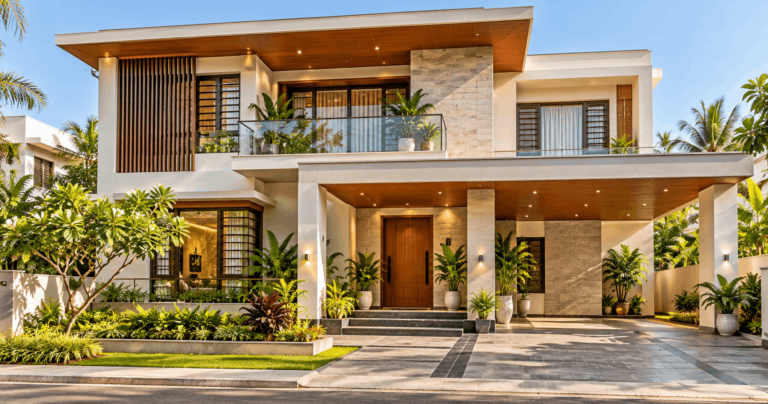
A south-facing property is often misunderstood by home buyers. Many people assume that a south-facing home is automatically unfavourable, but South Facing House Vastu is more nuanced than a simple “good” or “bad” label.
In traditional Vastu terminology, a house is generally called south-facing when the main entrance or front side faces south. Common Vastu guidance places strong importance on the exact position of the main entrance, room layout, plot planning, sunlight, ventilation, and overall spatial balance—not merely the home’s facing direction.
Whether you are considering an apartment in Madurai or premium villas in Madurai, this guide explains the benefits, common myths, practical planning points, and questions to ask before choosing a south-facing property.
At Jayabharath Homes, one of the trusted builders in Madurai, we believe that buyers should select a home based on practical factors such as layout, natural light, ventilation, location, legal clarity, construction quality, and personal preferences—along with Vastu, if it matters to them.
What Is a South-Facing House?
A house is usually described as south-facing when its main entrance, front elevation, or primary approach faces the south direction. In simple terms, if you face south while standing outside and looking towards the main entrance, it is generally treated as a south-facing property.
However, different Vastu practitioners may assess the property orientation using the main door, plot direction, road location, or the direction a person faces while leaving the home. For this reason, buyers should confirm the actual orientation using an accurate compass, approved floor plan, and site visit.
How to Check Whether a House Is South-Facing
To identify the orientation of a home:
- Stand at the main entrance facing outward.
- Use a reliable compass app or physical compass.
- Check the direction you face when exiting the property.
- Review the site plan and plot orientation with the developer or architect.
- Confirm whether the main entrance is located on the south side of the building or plot.
If Vastu is important to your family, avoid relying only on brochure labels such as “south-facing.” Ask for the floor plan, site orientation, entrance location, and a physical site visit.
Is a South-Facing House Good or Bad as per Vastu?
A south-facing house is not automatically good or bad. Traditional Vastu guidance generally considers the exact entrance position, layout, room placement, plot proportions, and spatial balance more important than the facing direction alone.
A thoughtfully planned south-facing home can be comfortable and desirable. Similarly, a poorly designed north-, east-, or west-facing home can have practical drawbacks such as harsh sunlight, insufficient ventilation, poor privacy, or inefficient room layouts.
The right question is not only, “Is this house south-facing?” Instead, ask:
- Where exactly is the main entrance located?
- Is the layout functional for the family?
- Does the home receive adequate daylight and ventilation?
- Are the bedrooms, kitchen, bathrooms, and utility spaces well planned?
- Does the project have proper approvals and quality construction?
- Is the property comfortable in Madurai’s climate?
Common Myths About South-Facing Homes
Myth 1: Every South-Facing House Is Inauspicious
This is the most common misconception. Vastu sources consistently state that south-facing homes are not inherently negative; entrance placement and the overall plan are important considerations.
A south-facing home can work well when it is designed with a practical floor plan, suitable openings, shading, ventilation, and a layout that fits the homeowner’s needs.
Myth 2: South-Facing Homes Have No Benefits
South-facing homes can receive substantial daylight, particularly sunlight from the southern sky. In India, which lies north of the equator, south-facing facades may receive useful winter sunlight.
The benefit depends on how the building handles heat. Proper shading, recessed windows, roof overhangs, verandas, landscaping, and appropriate glazing can help control direct sunlight and improve comfort.
Myth 3: Only North- and East-Facing Houses Are Good
No direction guarantees a better home by itself. A home’s comfort and long-term value depend on location, legal verification, construction quality, floor-plan efficiency, daylight, ventilation, privacy, maintenance, and resale demand.
Many families focus on Vastu while searching for an apartment in Madurai or a villa in Madurai, but the project’s quality and suitability for the family’s lifestyle should remain the main priority.
Myth 4: A Single Remedy Can Fix Every Layout Issue
Vastu remedies are belief-based and personal. They should not replace practical design corrections, professional engineering, proper waterproofing, electrical safety, legal due diligence, or building approvals.
If a home has inadequate ventilation, poor drainage, unsafe wiring, or structural problems, those issues require qualified professional solutions—not decorative remedies alone.
Benefits of a South-Facing House
A south-facing property can offer practical and lifestyle benefits when planned carefully.
Good Natural Light Potential
South-facing homes may receive longer periods of daylight. With thoughtful window placement and shading, this can make interiors feel brighter and reduce the need for artificial lighting during daytime hours.
For living rooms, balconies, gardens, and sit-outs, this can create pleasant daytime spaces—provided direct heat is controlled.
Useful Winter Sunlight
In many parts of India, the sun travels through the southern sky during winter. A south-facing facade can receive softer warmth and daylight during cooler months.
In Madurai’s generally warm climate, this should be balanced with practical heat-control measures such as external shading, landscaping, ventilated balconies, and appropriate glass selection.
Better Opportunities for Garden and Outdoor Spaces
Homes with south-facing frontage may offer good sunlight exposure for certain plants, landscaped areas, and outdoor seating zones. The final result depends on plot size, nearby buildings, shade from trees, and local site conditions.
A covered veranda, pergola, or landscaped sit-out can help homeowners enjoy daylight while limiting harsh heat.
Strong Design Flexibility
A south-facing plot can support a well-designed home when architects plan entrance placement, internal room layout, window shading, ventilation, privacy, and circulation carefully.
For buyers exploring villas in Madurai, this flexibility can be valuable because individual homes often offer more scope for site-specific planning.
South Facing House Vastu: Main Entrance Tips
In traditional South Facing House Vastu, the main entrance is considered especially important. Many Vastu sources recommend placing the entrance in the south-east side or a favourable central-south segment of the south wall, while generally avoiding the south-west corner.
However, detailed recommendations differ across practitioners and methods. Some use the nine-part “pada” approach, while others use broader zones. If Vastu compliance is essential to your decision, consult a qualified professional who can assess the actual site plan rather than relying on a generic online diagram.
Prefer a Carefully Planned South-East or Central-South Entrance
Common Vastu guidance often associates the south-east portion of the south-facing wall with a favourable entrance area. Some traditional guides identify a central-to-south-east section as a preferred location.
The exact best position should be assessed in relation to:
- The full length of the south boundary or wall.
- Plot shape and road position.
- Main-door location.
- Internal circulation.
- Staircase and parking layout.
- Neighbouring structures.
- Directional accuracy.
Avoid Treating the South-West Corner as a Default Entrance
Many Vastu references advise against placing a south-facing main entrance at the south-west corner.
From a functional design perspective, the entrance should also offer safe access, privacy, rain protection, adequate lighting, and a clear approach from the road or parking area.
Keep the Entrance Bright, Clean and Functional
Whether or not you follow Vastu, a main entrance should be well maintained:
- Use sufficient exterior and interior lighting.
- Keep the approach clear and slip-resistant.
- Provide weather protection with a porch, canopy, or overhang.
- Ensure the door opens and closes smoothly.
- Keep house numbers and entry signage visible.
- Avoid clutter around the doorway.
- Add landscaping that does not obstruct the entrance or security view.
A clean, welcoming entrance improves curb appeal, convenience, and everyday use.
South-Facing House Room Placement Tips
Traditional Vastu recommendations are often considered alongside real-world requirements such as plot shape, room size, privacy, structural grid, plumbing lines, natural light, ventilation, and family lifestyle.

Master Bedroom in the South-West Zone
Traditional Vastu guidance commonly places the master bedroom in the south-west portion of the home.
From a practical standpoint, the master bedroom should also have privacy, suitable window placement, adequate storage, and good access to an attached bathroom where applicable.
Kitchen in the South-East Zone
Many Vastu plans place the kitchen in the south-east zone, often associated with the fire element.
Regardless of Vastu, a kitchen requires ventilation, an exhaust system, safe electrical design, workable countertop space, and clear separation from bathrooms where possible.
Keep North and East Areas Open and Bright
Traditional Vastu often favours lighter, more open treatment in north and east areas.
In practical home design, natural light, airflow, usable balconies, and uncluttered windows improve comfort in any direction. The exact design must respond to the actual plot, building orientation, climate, and surroundings.
Plan Bathrooms and Utility Areas Carefully
Bathrooms, wash areas, and utility spaces should be planned based on plumbing efficiency, natural or mechanical ventilation, waterproofing, drainage slope, and access. Do not compromise these technical requirements solely to follow a directional preference.
Practical Design Tips for South-Facing Homes in Madurai
Madurai’s warm climate makes solar control and ventilation important. A south-facing property should be evaluated for both cultural preferences and climate-responsive design.

Use External Shading
External shading can significantly improve comfort by reducing direct sunlight before it reaches interior spaces.
Useful options include:
- Deep chajjas or roof overhangs.
- Pergolas over balconies and sit-outs.
- Vertical fins or external screens.
- Recessed windows.
- Shaded verandas.
- Landscaping with suitable trees and plants.
- Jali panels or louvres where appropriate.
Shading should be designed by an architect based on sun path, window orientation, facade material, and the local context.
Prioritise Cross Ventilation
Cross ventilation occurs when air can enter from one side of a room and leave through another opening. It helps move fresh air through living rooms and bedrooms.
Look for:
- Operable windows rather than only fixed glass.
- Openings on opposite or adjacent walls.
- Balconies, courtyards, or shafts that support airflow.
- Layouts that do not block window access with wardrobes or fixed partitions.
- Kitchen and bathroom exhaust systems.
When evaluating projects from top builders in Madurai, ask to see typical floor plans and actual completed units to understand daylight and ventilation.
Select Suitable Window and Glass Specifications
Large windows can improve light and views, but south-facing and west-facing glazing may need shading and appropriate glass selection to manage heat.
Ask the developer about:
- Window frame material and quality.
- Type of glass used.
- Balcony depth and shading elements.
- Opening panels for ventilation.
- Mosquito-mesh provision.
- Water drainage around windows.
- Warranty and maintenance requirements.
Design Outdoor Areas for Comfort
A south-facing garden, balcony, or sit-out can be attractive when it includes shade and airflow. Use covered seating, pergolas, plants, screens, or retractable awnings to create an outdoor area that remains usable during warm hours.
Homebuyer Checklist for a South-Facing Property
Before booking a south-facing property, check more than just the direction.
- Verify the actual orientation using a compass, approved plan, and site visit.
- Locate the exact main entrance position on the south-facing wall or plot.
- Review the floor plan for room sizes, circulation, privacy, and furniture placement.
- Check daylight and heat exposure at different times of day.
- Assess cross ventilation in the living room and bedrooms.
- Check the kitchen and bathrooms for windows, exhaust, drainage, and waterproofing.
- Review balcony, veranda, and window shading for direct sunlight.
- Inspect surrounding buildings for blocked airflow, privacy issues, and shadow patterns.
- Verify legal documents, approvals, and RERA details where applicable.
- Compare construction quality, materials, maintenance, and after-sales support.
- Consult a Vastu professional if traditional compliance is a major purchase criterion.
- Choose the home that best fits your family’s lifestyle, budget, commute, and comfort.
For buyers comparing an apartment in Madurai or a spacious villa in Madurai, this checklist can help separate practical decision-making from general myths.
Common Mistakes to Avoid
Rejecting a Home Only Because It Faces South
Do not reject a property based only on its direction. Inspect the entrance placement, plan, ventilation, heat control, building quality, legal status, and location before deciding.
Ignoring Afternoon Heat and Shading
A south-facing facade can receive considerable daylight. Without appropriate shading, some spaces may become uncomfortably warm. Check balconies, overhangs, screens, window design, and landscaping.
Relying Only on a Brochure Compass
A brochure may show a simplified north arrow or a conceptual plan. Confirm orientation during a site visit and review the approved plan before booking.
Forgetting Ventilation and Privacy
A home may be directionally aligned but still perform poorly if windows face directly into another building, rooms are dark, or airflow is restricted. Check the practical experience of living in the home.
Overlooking Legal and Construction Due Diligence
Vastu should not replace property due diligence. Verify ownership, title, approvals, RERA registration where applicable, specifications, possession timeline, payment terms, maintenance charges, and warranty details before committing.
Why Choose Jayabharath Homes?
At Jayabharath Homes, we understand that home buying is both a financial and emotional decision. Our goal is to help families find residences that offer thoughtful layouts, practical comfort, and long-term value.
Whether you are seeking an apartment in Madurai or premium villas in Madurai, we encourage buyers to review the complete picture: location, layout, light, ventilation, quality, amenities, legal transparency, and personal preferences.
As one of the experienced builders in Madurai, Jayabharath Homes focuses on residential spaces that support modern family living. Explore our projects and understand why many buyers consider us among the best builders in Madurai.
Frequently Asked Questions
-
Is a south-facing house good as per Vastu?
A south-facing house is not automatically good or bad according to Vastu. Traditional guidance often focuses on the exact entrance position, room layout, plot planning, and overall design rather than direction alone.
-
Where should the main entrance be in a south-facing house?
Many Vastu guides recommend a south-east or central-south position on the south-facing wall and advise avoiding the south-west corner. Exact placement recommendations vary, so consult a qualified Vastu practitioner using the actual plan if this is important to you.
-
What are the benefits of a south-facing house?
Potential practical benefits can include strong daylight, useful winter sun, and opportunities for sunny outdoor spaces or gardens. These benefits require good shading, ventilation, and climate-responsive design to avoid overheating.
-
Is a south-facing apartment suitable for Madurai?
It can be suitable if the apartment has practical layout planning, adequate shading, usable windows, cross ventilation, quality construction, and appropriate heat control. Evaluate the specific unit rather than only its direction.
-
Which rooms are commonly recommended for a south-facing house as per Vastu?
Traditional Vastu guidance commonly places the master bedroom in the south-west and the kitchen in the south-east. These are belief-based principles and should be balanced with practical requirements such as ventilation, plumbing, privacy, and daily convenience.
-
Should I avoid buying a south-facing house?
Do not decide based on facing alone. Review the exact entrance, orientation, floor plan, natural light, ventilation, location, project approvals, price, and construction quality. If Vastu is important, seek a personalised review before purchase.
-
Find the Right Home in Madurai
A well-designed south-facing home can be bright, comfortable, practical, and well suited to family living. The key is not simply the direction—it is how the entrance, layout, ventilation, shading, materials, and living spaces work together.
If you are looking for a quality apartment in Madurai or thoughtfully planned villas in Madurai, explore Jayabharath Homes. As one of the trusted builders in Madurai, we can help you discover homes designed for everyday comfort and long-term value.