Dado in Construction: Types, Uses & Benefits | Jayabharath Homes
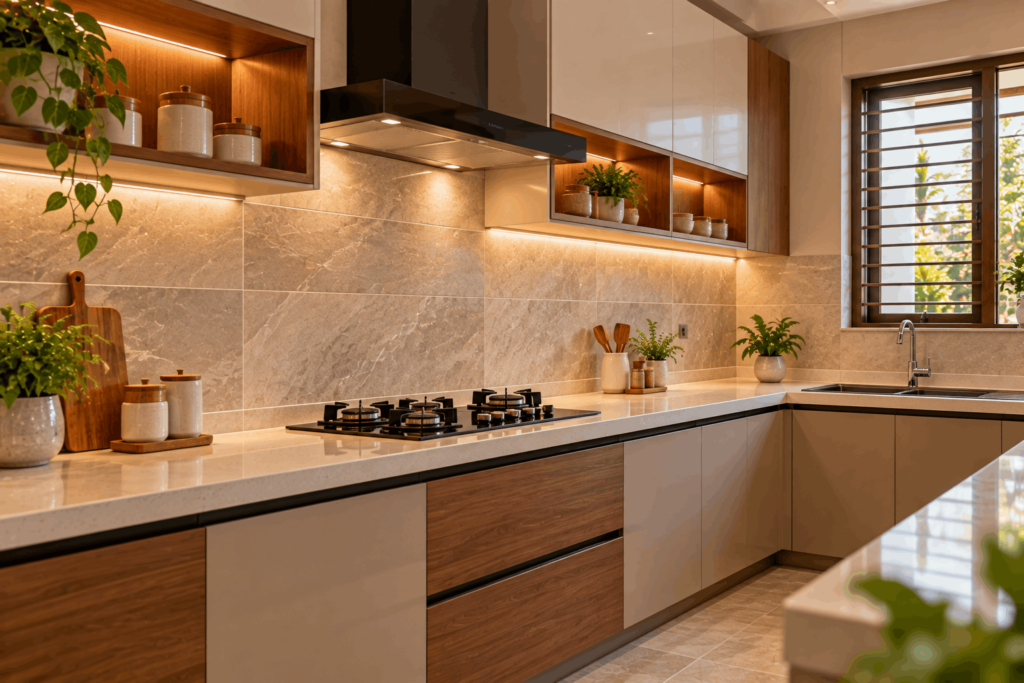
Dado in Construction: Types, Uses and Benefits for Modern Homes When planning a home, walls need to do more than look good. In spaces such as kitchens, bathrooms, utility areas, entrances, and corridors, they must also withstand water splashes, stains, heat, frequent cleaning, and everyday wear. This is where dado in construction becomes useful. A dado is a protective and decorative treatment applied to a section of an interior wall—commonly the lower portion of the wall or the space above a kitchen countertop. It can be created with ceramic tiles, vitrified tiles, natural stone, glass mosaics, laminates, wall panels, or other washable finishes. Whether you are choosing an apartment in Madurai or designing one of the premium villas in Madurai, understanding dado work can help you select practical finishes that are durable, hygienic, and easy to maintain. At Jayabharath Homes, one of the trusted builders in Madurai, we believe that the right material choices contribute to both long-term performance and beautiful interiors. What Is Dado in Construction? Dado in construction refers to a protective or decorative finish installed on a portion of an internal wall. Traditionally, dado was used on the lower area of walls to protect plaster and paint from impacts, scuffs, moisture, and stains. Today, it is most commonly associated with wall tiles and cladding used in kitchens, bathrooms, wash areas, corridors, and feature walls. In Indian residential projects, the word “dado” is often used in two main ways: Kitchen dado: Wall tiles or cladding installed above the kitchen counter, typically between the countertop and overhead cabinets. Bathroom dado: Wall tiles installed from the floor upward, often covering a partial height or extending close to the ceiling in wet areas. A tiled dado creates a surface that can be cleaned more easily than ordinary painted plaster, particularly where walls are exposed to water, food splashes, soap, oils, and stains. Why Is Dado Work Important in Modern Homes? Dado work combines function and appearance. It protects high-use wall surfaces while allowing homeowners to introduce colour, texture, patterns, and visual character. Protection from Moisture and Water Splashes Bathrooms, wash areas, and kitchens are regularly exposed to water. Wall tiles and water-resistant cladding can help protect the underlying plaster and paint from repeated splashes and moisture exposure. In bathrooms, dado may be extended to a greater height around showers, bathtubs, and washbasins because these zones experience frequent water contact. Easier Cleaning and Maintenance Painted walls can absorb stains and become difficult to clean. Smooth tile or panel surfaces are generally easier to wipe after cooking splashes, soap marks, food stains, or daily dust. This makes dado work particularly useful for: Kitchen backsplashes. Bathroom walls. Utility rooms. Washbasins and handwash zones. Children’s rooms or high-traffic corridors. Entrance walls exposed to frequent touch or scuffing. Dado tiles are widely used because they are durable, water-resistant, and relatively easy to clean and maintain. Improved Interior Appearance Dado work can become a visual highlight rather than just a protective surface. A carefully selected tile pattern, stone finish, textured panel, or contrasting grout colour can define the character of a kitchen or bathroom. For example, a simple neutral kitchen can look more refined with a subway-tile backsplash, while a bathroom can gain depth from a stone-look tile or mosaic accent wall. Better Long-Term Durability Areas exposed to repeated moisture, stains, and cleaning can show wear faster when they rely only on paint. Good-quality dado materials, correct surface preparation, suitable adhesive, proper grouting, and careful installation can help walls remain attractive for longer. Homeowners should choose materials based on the location, water exposure, cleaning needs, budget, and overall interior style—not only on appearance. Types of Dado in Construction Different materials suit different rooms and budgets. The right choice depends on whether the wall is exposed to water, heat, stains, scratches, or heavy cleaning. Ceramic Tile Dado Ceramic tiles are a popular option for bathrooms and kitchens because they are available in many colours, finishes, sizes, and patterns. They are practical for normal residential wet areas when installed with appropriate adhesive and grout. Best for: Kitchen backsplashes. Bathroom walls. Wash areas. Utility rooms. Budget-friendly interior upgrades. Ceramic, glazed, and vitrified tiles are commonly used for wall dado in kitchens and bathrooms. Vitrified Tile Dado Vitrified tiles are known for their dense structure and low water absorption compared with many conventional tile options. They are often selected for a sleek, uniform appearance and good durability. Best for: Modern kitchens. Contemporary bathrooms. High-use utility areas. Homes that need a clean, low-maintenance wall finish. Choose wall-appropriate tile thickness, finish, and size. Very large tiles can look elegant but require skilled installation and a level substrate. Natural Stone Dado Natural stone can give a premium, timeless look. Options may include marble, granite, slate, sandstone, or other stones, depending on the intended aesthetic and local availability. Best for: Feature walls. Premium bathroom accents. Entrance lobbies. Living-room or dining-room wall details. Luxury villas with natural-material interiors. Stone may require sealing and specialised maintenance depending on its porosity and finish. Always check whether the stone is suitable for wet zones before using it in a shower or heavily exposed bathroom wall. Glass Mosaic Dado Glass mosaic tiles are often used as a decorative accent rather than full-wall coverage. Their reflective surface can make compact kitchens and bathrooms appear brighter. Best for: Kitchen backsplash strips. Shower niches. Vanity-wall accents. Borders and feature bands. Mosaic designs can create visual impact, but grout lines may require more cleaning than large-format tiles. Subway Tile Dado Subway tiles are rectangular wall tiles commonly laid in a brick, stacked, herringbone, or vertical pattern. They offer a clean, timeless look and work well in both traditional and contemporary homes. Best for: Kitchen backsplashes. Small bathrooms. Utility counters. Minimalist and Scandinavian-inspired interiors. Wooden or Laminate Panel Dado Wooden panelling, laminates, and similar wall materials can create warmth in bedrooms, dining rooms, hallways, and living areas. However, they are generally not the first choice for continuously wet locations unless the product is specifically
Dado in Construction: Types, Uses & Benefits | Jayabharath Homes Read More »