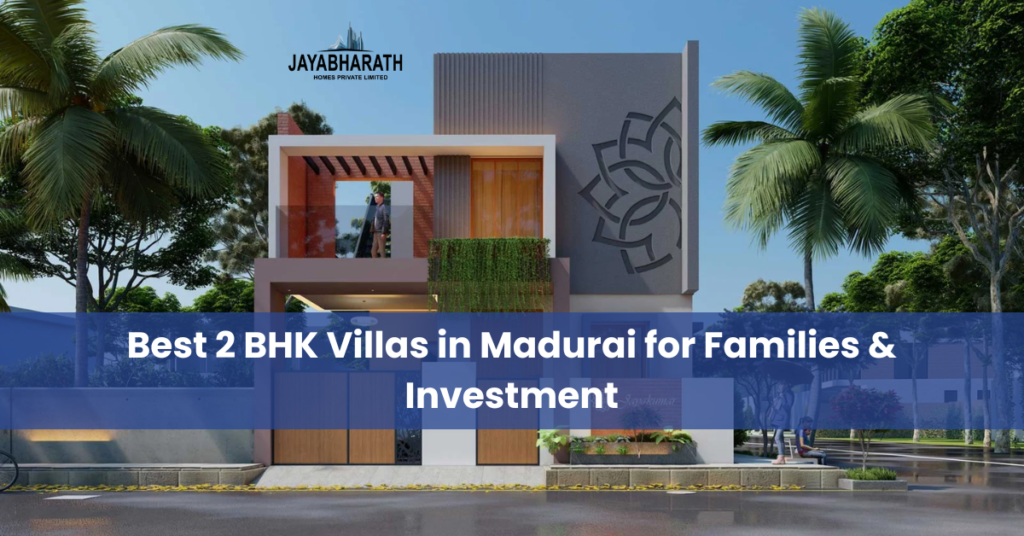
Madurai Promoters: How to Choose the Best Developer | Jayabharath Homes
Madurai Promoters: A Complete Guide to Choosing the Best Property Developer in Madurai Choosing among Madurai promoters is one of the most important decisions a home buyer makes. A home is a long-term investment, so the right property developer should offer more than an attractive brochure or a competitive price. You should look for transparent documentation, a practical location, construction quality, clear specifications, realistic timelines, responsive customer support, and a project that suits your family’s lifestyle. Whether you are looking for an apartment in Madurai, a plotted development, or premium villas in Madurai, this guide will help you compare developers with confidence. The Tamil Nadu Real Estate Regulatory Authority (TNRERA) regulates and promotes the state’s real-estate sector, and its portal provides project and promoter information that buyers can use during due diligence. TNRERA states that real-estate projects and agents must be registered, and that promoters must upload project information, approvals, and other required details on the portal. At Jayabharath Homes, one of the trusted builders in Madurai, we believe informed buyers make better property decisions. Use this guide as a practical checklist before booking your dream home. Important disclaimer: This article is for general education only. It is not legal, tax, financial, engineering, or investment advice. Before booking a property, verify documents independently with a qualified advocate, chartered accountant, architect, engineer, bank, or other relevant professional. What Are Madurai Promoters? The term Madurai promoters generally refers to property developers, builders, land developers, and real-estate companies that plan, develop, market, and deliver residential or commercial projects in and around Madurai. Depending on the type of project, a promoter may handle: Land identification and acquisition. Layout planning and design. Statutory approvals and registrations. Construction planning and contractor coordination. Sales, customer documentation, and payment schedules. Handover, possession, and post-handover support. Common-area development and maintenance arrangements. Under RERA terminology, a “promoter” is broadly the person or entity that constructs or causes construction of an independent building or project for sale, or develops land into plots for sale. The specific legal definition and obligations should be checked against the applicable law and project facts. Why Choosing the Right Property Developer Matters The developer you choose can affect every stage of your home-buying journey—from the reliability of the documents and quality of construction to possession communication and support after handover. Legal Clarity and Document Transparency A reliable developer should be able to provide project details, approvals, title-related documents, sanctioned plans, specifications, and agreement terms in a clear manner. Before paying a booking amount, verify the project on the official TNRERA portal where applicable. TNRERA provides searchable records for registered building and layout projects, including promoter names, project details, approvals, and completion information. Construction Quality and Specifications Construction quality affects safety, comfort, maintenance costs, resale value, and day-to-day living. Do not rely only on model-unit finishes or marketing images. Ask for written specifications covering: Structural system and materials. Wall and flooring finishes. Electrical wiring, switches, and fixtures. Plumbing lines and sanitary fittings. Doors, windows, and glass specifications. Waterproofing treatment. Lift, generator, water supply, and drainage provisions. Common-area finishes. Parking details. Brand names or equivalent-quality clauses. Delivery Track Record and Timeline Communication A developer’s past completed projects can reveal a lot about workmanship, design consistency, amenities, and customer support. Visit completed communities if possible and speak with existing residents about their actual experience. Also review the project’s declared completion date and progress disclosures. Official RERA guidance and project portals are intended to help buyers review project information and track relevant updates. After-Sales Service A property purchase does not end at registration or possession. Ask how the developer handles snag rectification, handover documentation, maintenance transition, common-area defects, and customer-service requests. A clear process for after-sales support is often a strong sign of an organised developer. 10 Factors to Compare Madurai Promoters 1. Check TNRERA Registration and Project Details For projects covered by RERA, verify the registration number, developer name, project address, validity, approvals, declared completion date, and documents through the official TNRERA portal. TNRERA says promoters are required to upload proposed-project details, registration information, booked units or plots, and approval details. Check that the details match: The brochure and marketing material. Project name and location. Promoter’s legal entity name. Survey number or land details where shown. Unit type and carpet-area details. Expected completion or possession date. Amenities and project phase. TNRERA also publishes lists of building and layout projects with details including promoter name, project address, approvals, and project completion information. 2. Verify Land Title and Approvals Independently A project may look impressive, but legal due diligence is essential. Engage a qualified property advocate to verify the title chain, encumbrance certificate, land use, approvals, access rights, and relevant legal records. Ask for and professionally verify, as applicable: Parent documents and title documents. Encumbrance certificate. Approved building or layout plan. Planning authority approvals. Commencement permission where applicable. RERA registration and disclosures. Property tax and utility records where relevant. Power of attorney or development agreement, if applicable. Litigation or encumbrance disclosures. Completion and occupancy documentation at the appropriate stage. Do not rely solely on photocopies, verbal assurances, online listings, or a developer’s sales presentation. 3. Study the Developer’s Completed Projects Visit at least one or two completed projects developed by the promoter. A site visit lets you evaluate real workmanship rather than only sample-flat styling. Observe: Condition of external paint and facade. Quality of driveways, drainage, landscaping, and common areas. Water management and cleanliness. Lift operation and backup systems. Parking circulation. Wall cracks, seepage, tile quality, and finishing. Security arrangements. Resident feedback on maintenance and service. Overall liveability after occupancy. This is one of the best ways to compare top builders in Madurai with lesser-known or newer developers. 4. Read the Agreement Before Paying Major Amounts The agreement for sale is a crucial legal document. Review it with an independent advocate before signing or making a substantial payment. Confirm that it clearly states: Buyer and promoter names. Project and unit identification. Carpet area and measurement basis. Total consideration and payment
Madurai Promoters: How to Choose the Best Developer | Jayabharath Homes Read More »